

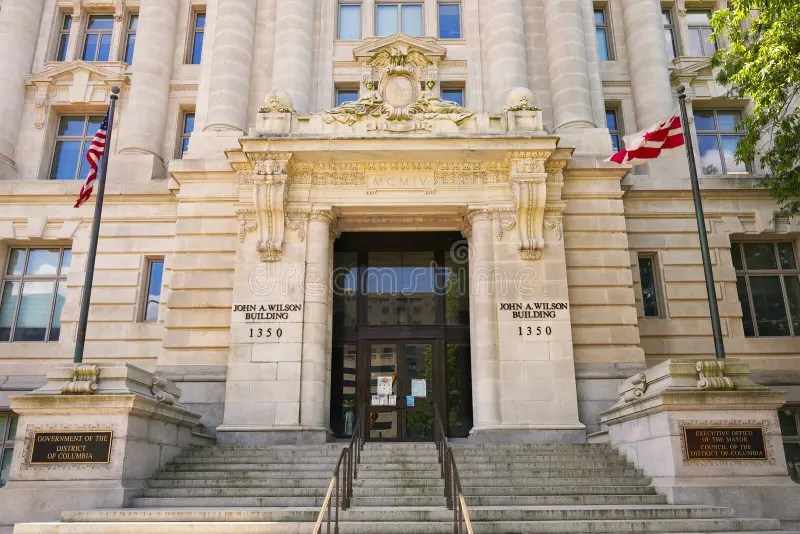
Following multiple sexual harassment allegations against the Mayor’s former Chief of Staff and Deputy Mayor during the summer of 2023, the District introduced legislation seeking independent investigation requirements into harassment complains within the executive branch.
The Sexual Harassment Investigation Integrity Amendment Act of 2023, introduced by Councilmember Brianne Nadeau (D-Ward 1), aimed to have specific harassment complaints be investigated independently rather than through internal agencies, with the goal of promoting transparency and public trust in the executive branch.
The legislation passed multiple public hearings but did not advance beyond the committee meeting stage. During the same legislative period, the D.C. Human Rights Act was amended to strengthen protections while the independent investigation efforts ultimately failed.
Testimony and agency feedback indicated the bill’s failure stemmed from fiscal feasibility, statutory authority, jurisdiction limitations, and the operational capacity of the Office of the Inspector General (OIG). The true issue was not solely in the cost of independent investigations, but whether the District’s existing oversight infrastructure was structured to support this particular mandate.
The legislation required the oversight of the OIG or contracting of independent counsel during investigations involving executive officials; however, Inspector General Daniel W. Lucas’ testimony noted the agency’s traditional jurisdiction specializes in fraud, waste abuse and Medicaid related investigations – not employment-based misconduct.
Matthew Ramos, Program Manager of External Affairs for the OIG elaborated on the structural and fiscal concerns raised in the Inspector General’s hearing testimony.
“Our focus is on fraud, waste abuse, mismanagement, or corruption within government programs and operations,” Ramos said. “Sexual harassment cases are typically handled through internal human resources channels or other designated agencies.”
Ramos explained the OIG’s investigation plans primarily handle the integrity of government programs and public funds. He noted that implementing a long-term independent investigation aspect would require resources beyond of the Office’s existing investigative initiatives.
For the case involving the former Deputy Mayor for Planning and Economic Development, the OIG acknowledged the concerns for outside counsel which ultimately crossed into other agencies such as the Office of Human Rights.
Ramos emphasized other existing mechanisms in place for handling harassment complaints designed with sexual harassment officers and alternative reporting outlets within multiple agencies.
“Each agency has what’s called a Sexual Harassment Officer (SHO),” Ramos said. “If employees feel uncomfortable going to their own officer because of a conflict, there are alternative avenues for them to file a complaint.”
Vasu Reddy, Director of State Policy for Workplace Justice at the National Women’s Law Center, said independent investigations play a critical role in addressing workplace harassment.
“Power dynamics create the environment that allows harassers to avoid accountability,” Reddy explained. “The risk of coming forward is too high for many victims — and when it’s clear their harasser can influence the investigative process, that fear and lack of faith that their rights will be vindicated is even more justified.”
Because harassment complaints fall outside of the OIG’s traditional jurisdiction, implementing the legislation would require the expansion of the agency’s operational boundaries rather than rearranging agency investigative responsibility.
Beyond these juridical limitations, fiscal concerns were also a major element in the bill’s demise. The Inspector General’s testimony noted a single independent investigation could cost up to $600,000 – an estimate to sustainin months of review required for processes through independent counsel.
For this legislation, it would take more than the fiscal budgeting to properly build structural reforms. The bill ultimately centered not only on an affordability aspect, but on whether internal systems are structured to support those without power.
Both Ramos and Reddy agreeed that the best solution is to begin the work internally to build safe environments and communicated outlets for reports.
Reddy said, “The greatest cost saver is preventing harassment in the first place, and effective, unbiased enforcement is an essential component of prevention.”
 Let's tell a story together!
Leave a comment